
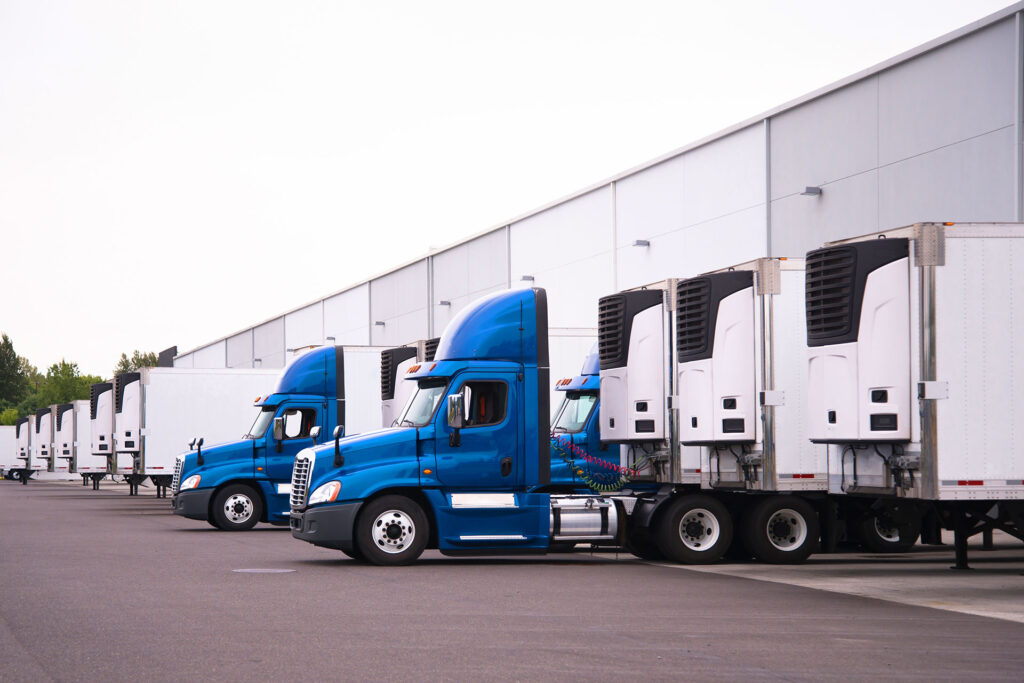
Picture this: you’re cruising down the interstate with 80,000 pounds of cargo behind you, and suddenly a warning light flickers on the dash. That moment of dread? It’s exactly why understanding heavy duty truck systems isn’t just mechanic talk, it’s survival knowledge for anyone who owns, operates, or maintains a big rig. These massive machines are engineering marvels, built from dozens of interconnected systems that must work in perfect harmony.
What Are Heavy Duty Truck Systems?
Heavy duty truck systems are the integrated mechanical, electrical, hydraulic, and electronic networks that power Class 7 and Class 8 commercial vehicles. Key systems include the powertrain, braking, suspension, cooling, fuel delivery, electrical, and exhaust aftertreatment, all working together to handle extreme loads and demanding long-haul conditions.
The Core Systems That Keep Big Rigs Running
Think of a heavy duty truck as a small city on wheels. Every system has a job, and when one falters, the ripple effect can shut down the entire operation. Let’s pop the hood (so to speak) on each one.
1. The Powertrain: Where the Muscle Lives
The powertrain is the beating heart of any commercial truck. It includes the diesel engine, transmission, driveshaft, differentials, and axles. Modern Class 8 engines typically produce between 400 and 600 horsepower, with torque numbers north of 1,800 lb-ft.
- Engine: Usually a 12 to 16-liter inline-six diesel
- Transmission: Manual, automated manual (AMT), or fully automatic
- Driveshaft & Differentials: Transfer power to drive wheels efficiently
2. Braking Systems: Stopping 40 Tons Safely
Air brakes are standard on heavy duty trucks, and for good reason. Hydraulic brakes simply can’t deliver the stopping power required to halt a fully loaded rig. Air brake systems include compressors, reservoirs, valves, brake chambers, and slack adjusters working in concert.
Many modern trucks also feature engine brakes (Jake Brakes), exhaust brakes, and regenerative braking on hybrid models for added control on long downgrades.
3. Suspension and Steering
Heavy duty suspensions handle wildly varying loads, from empty bobtail runs to maxed-out gross weights. Air ride suspensions dominate the market because they protect cargo, improve driver comfort, and adapt to load weight automatically. The steering system, typically power-assisted recirculating ball, must remain rock-solid under massive front-axle loads.
Critical Support Systems You Can’t Ignore
Cooling and Lubrication
Diesel engines run hot. Really hot. The cooling system, featuring a massive radiator, fan clutch, water pump, and thermostat, manages combustion temperatures that would melt lesser materials. Pair that with an oil cooler and high-capacity oil pump, and you’ve got a setup designed for million-mile durability.
Fuel and Air Delivery
Common-rail injection systems push diesel into cylinders at pressures exceeding 30,000 psi. Meanwhile, turbochargers and intercoolers cram compressed air into the engine to maximize combustion efficiency. Quality matters here, especially in the plumbing. Learning about choosing the right fittings and connectors for heavy duty applications can save you from catastrophic leaks and downtime.
Electrical and Electronic Systems
Today’s trucks rely on multiple ECUs (Electronic Control Units), CAN bus networks, and dozens of sensors. From the dual 12-volt battery setup to LED lighting and telematics, the electrical architecture is more complex than ever.
Exhaust Aftertreatment
EPA regulations have transformed exhaust systems into sophisticated emissions-control labs. Modern setups include:
- Diesel Oxidation Catalyst (DOC)
- Diesel Particulate Filter (DPF)
- Selective Catalytic Reduction (SCR) using DEF (Diesel Exhaust Fluid)
- EGR (Exhaust Gas Recirculation) valves
How These Systems Work Together
Efficiency
When the powertrain, aftertreatment, and electronic controls communicate flawlessly, fuel economy can climb above 8 MPG on long-haul routes.
Safety
Brakes, steering, and stability control systems share data to prevent rollovers and jackknifes before drivers even react.
Longevity
Cooling, lubrication, and air filtration team up to push engine lifespans past 1 million miles routinely.
Maintenance Best Practices
The difference between a truck that hits 1.5 million miles and one that dies at 400,000? Consistent, thoughtful maintenance. Here are habits that separate the pros from the rest:
- Stick to OEM-recommended service intervals, no shortcuts
- Use high-quality filters (oil, fuel, air, coolant)
- Inspect air lines, hoses, and fittings monthly
- Monitor DEF quality and DPF regeneration cycles
- Check tire pressure daily, uneven wear signals deeper problems
- Pull diagnostic codes regularly, even when no warning lights appear
Frequently Asked Questions
How long do heavy duty truck systems typically last?
With proper maintenance, most major systems are designed for 750,000 to 1,000,000 miles before major overhaul. Engines and transmissions on premium platforms regularly exceed those numbers when serviced on schedule.
What’s the most expensive system to repair?
Aftertreatment systems (DPF, SCR, EGR) often top the list. A full DPF replacement can run $5,000 or more, while major engine repairs can climb into five figures quickly.
Are electric heavy duty trucks changing these systems?
Absolutely. Battery-electric trucks eliminate the engine, transmission, exhaust, and most fuel systems, but introduce high-voltage battery packs, inverters, and electric drive units that require entirely new maintenance skills.
How often should I inspect air brake systems?
Pre-trip inspections are required every day, but a detailed air brake inspection should occur at every PM service, typically every 25,000 to 30,000 miles or quarterly, whichever comes first.
What causes most heavy duty truck breakdowns?
Tire issues lead the pack, followed by electrical/battery failures, brake problems, and cooling system leaks. Most of these are preventable with disciplined inspection routines.
Final Thoughts
Heavy duty truck systems represent some of the most rugged, sophisticated engineering on the road. From the thunderous diesel engine to the whisper-quiet electronic networks coordinating it all, every component plays a critical role in keeping freight moving and drivers safe. Understanding how the powertrain, braking, cooling, electrical, and aftertreatment systems interact gives you the edge in maintenance planning, troubleshooting, and long-term cost control. Treat these systems with respect, invest in quality parts, and stick to disciplined service schedules, and your rig will reward you with hundreds of thousands of dependable miles.