
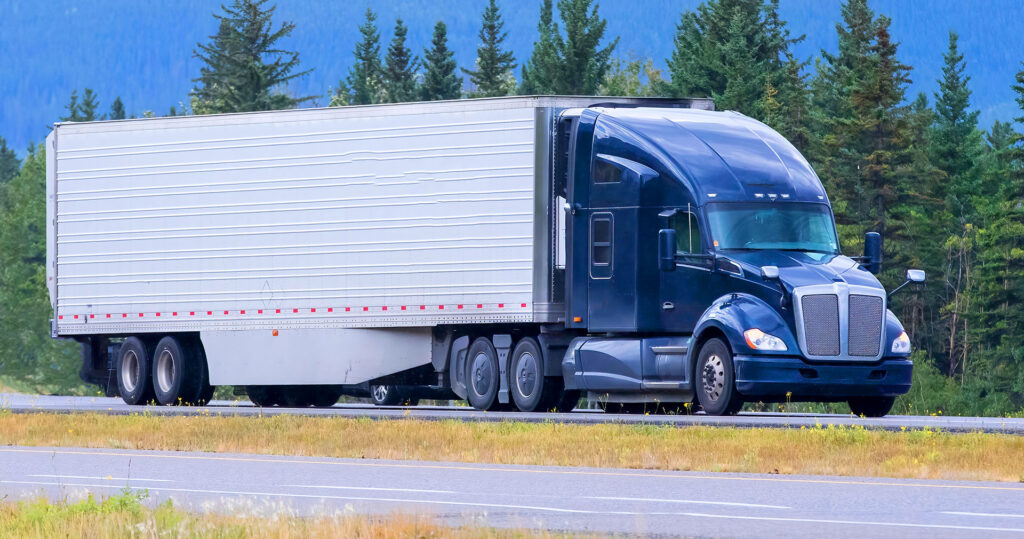
Every industry that moves goods, people, or equipment relies on one thing to survive: a fleet that actually shows up to work. Whether it’s a refrigerated truck racing to beat a spoilage deadline or a utility van heading out for an emergency repair, the vehicles behind the scenes are the quiet engine of the entire economy. But which fleet industries actually keep this country running, and what makes their operations tick?
What Are the Main Fleet Industries?
The main fleet industries include trucking and logistics, construction, public utilities, food and beverage delivery, emergency services, and government transportation. Each relies on well-maintained vehicle fleets to move goods, deliver services, and keep daily operations running without costly downtime or delays.
These sectors don’t just use vehicles as tools. They depend on them as the literal backbone of their business models. A single breakdown can ripple through supply chains, delay emergency response times, or cost thousands in missed deliveries.
Why Fleet Industries Matter More Than Most People Realize
Fleet-dependent businesses operate differently than typical companies. Their profitability is directly tied to vehicle uptime, fuel efficiency, and maintenance schedules. When a truck sits idle in a repair bay, that’s not just an inconvenience, it’s lost revenue.
Think about how many industries silently rely on wheels turning every single day:
- Trucking and freight moving raw materials and finished goods across state lines
- Construction companies hauling equipment between job sites
- Utility providers dispatching crews to fix power outages or gas leaks
- Delivery and logistics firms racing against tight shipping windows
- Emergency responders who cannot afford a single minute of vehicle downtime
Each of these industries shares a common thread: their vehicles are not optional overhead, they’re revenue-generating assets.
Breaking Down the Biggest Fleet-Dependent Sectors
Trucking and Freight Logistics
This is arguably the most obvious fleet-driven industry. Long-haul carriers, regional delivery services, and last-mile logistics companies all live and die by their trucks’ reliability. Fuel costs, driver hours, and maintenance schedules are constantly balanced to keep freight moving on time.
Construction and Heavy Equipment
Construction fleets often include a mix of dump trucks, flatbeds, and specialized haulers. Unlike over-the-road trucking, these vehicles frequently deal with harsh terrain, heavy loads, and stop-and-go usage that puts extra strain on engines and transmissions.
Public Utilities and Municipal Services
Cities and utility companies rely on service trucks, bucket trucks, and specialized repair vehicles to keep the lights on, literally. These fleets often operate around the clock during emergencies like storms or outages, meaning downtime isn’t just costly, it’s dangerous.
Food, Beverage, and Cold Chain Delivery
Refrigerated trucking is its own high-stakes world. A mechanical failure doesn’t just delay a delivery, it can spoil an entire truckload of perishable goods. Speed and reliability are non-negotiable here.
Emergency and Government Services
Ambulances, fire trucks, and public transit vehicles fall into a category where breakdowns can have life-or-death consequences. These fleets typically follow the strictest maintenance protocols of any industry.
The Common Challenge Across Every Fleet Industry
No matter which sector you look at, one issue keeps surfacing again and again: engine reliability. Fleets that skip routine diagnostics or delay minor repairs often end up facing catastrophic failures down the road. It’s rarely a mystery when an engine finally gives out.
In fact, most of these breakdowns are avoidable entirely. Understanding long-term performance strategies for commercial vehicles can mean the difference between a fleet that runs for another decade and one that’s constantly cycling through expensive repairs and replacements.
Fleet managers who prioritize proactive maintenance typically see:
- Fewer unscheduled downtime events
- Lower long-term repair costs
- Improved fuel efficiency across the fleet
- Extended vehicle lifespan
- Better resale value when vehicles are eventually retired
How Fleet Industries Are Adapting Right Now
Technology is reshaping how fleet-heavy industries operate. Telematics systems now track engine health in real time, alerting managers to potential issues before they become expensive breakdowns. GPS-based route optimization is cutting fuel waste, and predictive maintenance software is replacing outdated “fix it when it breaks” habits.
Electrification is also creeping into fleet conversations, especially for urban delivery routes and municipal vehicles. While diesel and gas engines still dominate heavy-duty applications, hybrid and electric options are becoming more common in lighter-duty fleet segments.
Reduces breakdown risk and extends engine life significantly.
Gives real-time visibility into vehicle health and performance.
Reduces wear and tear caused by poor driving habits.
What Fleet Managers Should Prioritize Going Forward
If there’s one lesson every fleet industry keeps relearning, it’s this: reactive maintenance is always more expensive than prevention. Fleet managers who build strong maintenance schedules, invest in driver training, and monitor engine health consistently tend to outperform competitors who wait until something breaks.
This isn’t just about saving money either. It’s about reliability, safety, and staying competitive in industries where a single late delivery or missed service call can damage a company’s reputation.
Final Thoughts
Fleet industries touch nearly every part of daily life, from the groceries on store shelves to the utility trucks restoring power after a storm. What connects trucking, construction, utilities, food delivery, and emergency services is a shared dependence on vehicles that simply cannot afford to fail. As technology advances and maintenance strategies improve, the fleets that prioritize prevention over reaction will be the ones that stay ahead, keeping their wheels turning and their industries moving forward.
Frequently Asked Questions
What industries rely most heavily on fleet vehicles?
Trucking, construction, utilities, food and beverage delivery, and emergency services are among the most fleet-dependent industries. Each relies on consistent vehicle uptime to keep operations running smoothly.
Why is preventive maintenance important for fleet industries?
Preventive maintenance reduces the risk of unexpected breakdowns, extends vehicle lifespan, and lowers overall repair costs. It’s significantly cheaper than reactive repairs following a major failure.
How does technology help fleet industries today?
Telematics, GPS tracking, and predictive maintenance software allow fleet managers to monitor vehicle health in real time, helping them catch small issues before they become costly problems.
What is the biggest cost risk for fleet-based businesses?
Unplanned downtime caused by engine failure or mechanical issues is typically the largest financial risk, often outweighing fuel and labor costs when left unmanaged.